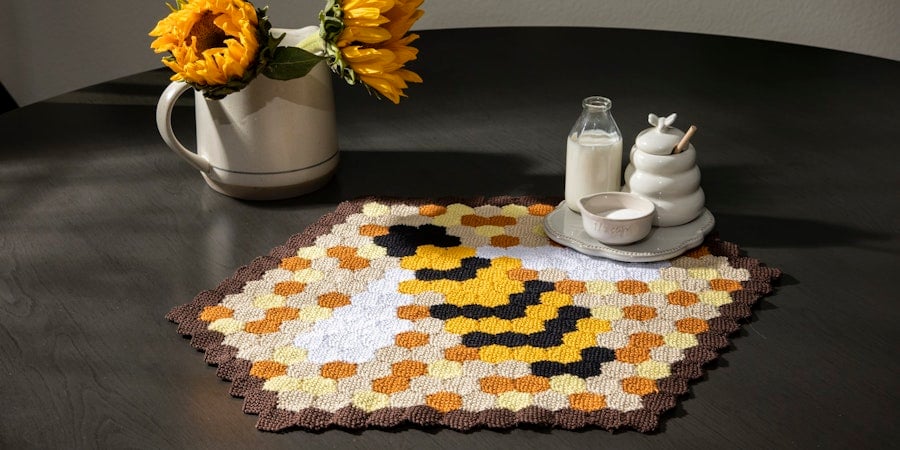
The rigid-heddle loom gets its name from the heddle that is lifted and lowered. This heddle allows specific threads to be isolated in either a slot or a hole which work together to create patterning in your cloth. This loom has gained significant popularity and has become the primary loom for many weavers. With the rigid-heddle loom, the loom’s width determines the width of your piece, so be sure to find a loom that suits your desired projects.
Discover the breadth of possibilities with the rigid-heddle articles, projects, and patterns in this category and throughout Little Looms.
Little Looms Partners You'll Love:


All Access Exclusive
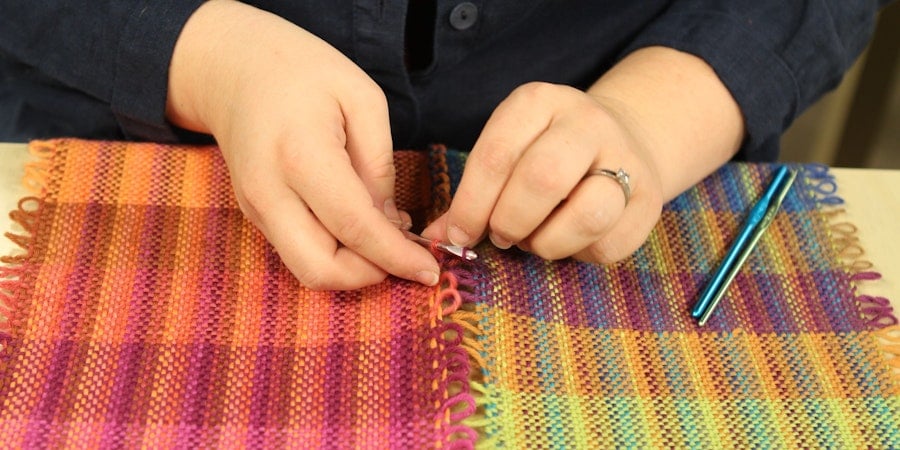
Weft loops on your selvedge add a fun fringed effect or can be used for an easy—and elegant—no-sew join.
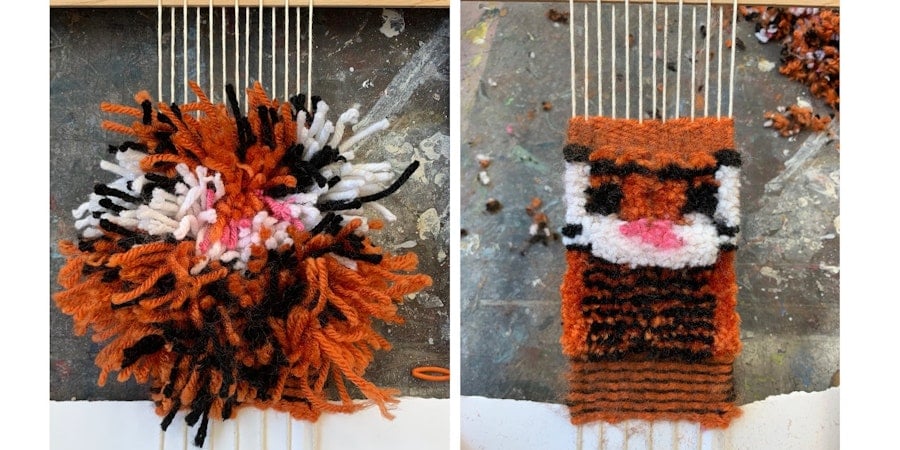
Open up a world of unlimited design potential with this simple technique.

All Access Exclusive
No matter what loom(s) you love to weave on, understanding the different characteristics of a fiber can help you make better choices when picking yarns for projects.
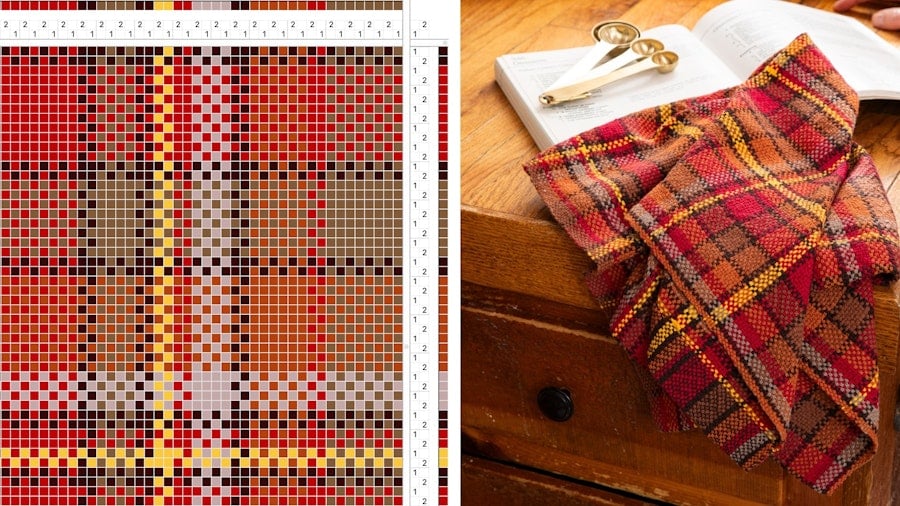
Learn how to use WIFs and weaving software to create and edit patterns—before you put a single thread on the loom.
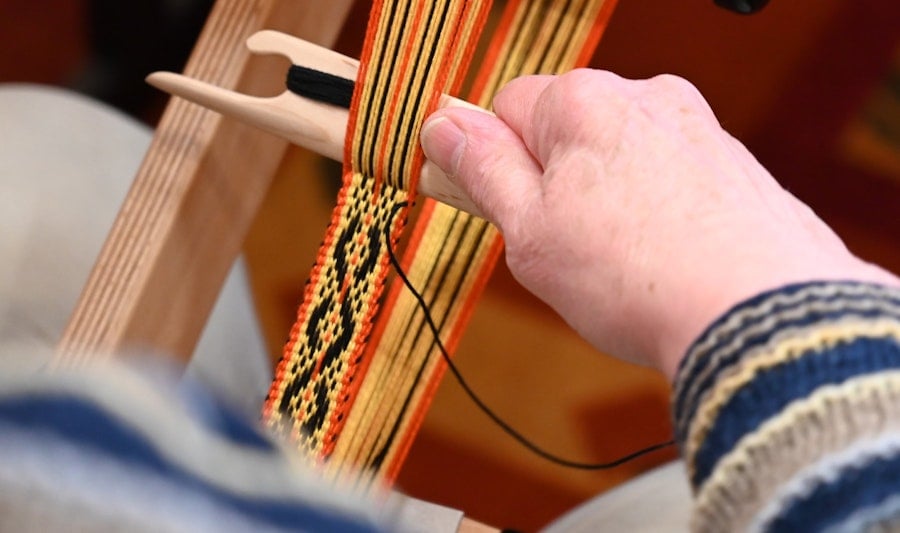
What’s better than learning to master a new weaving? Doing it among friends, new and old!
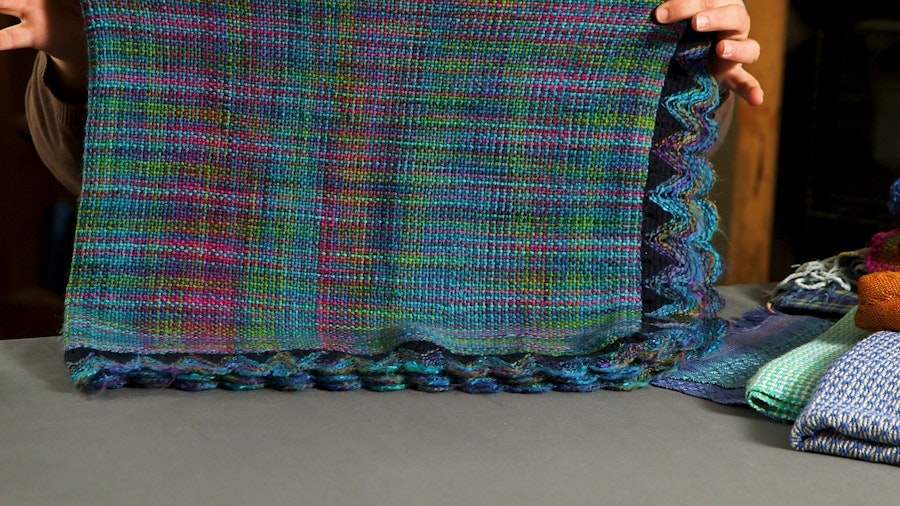
Add extra flair to your selvedges and hems with these terrific trims.
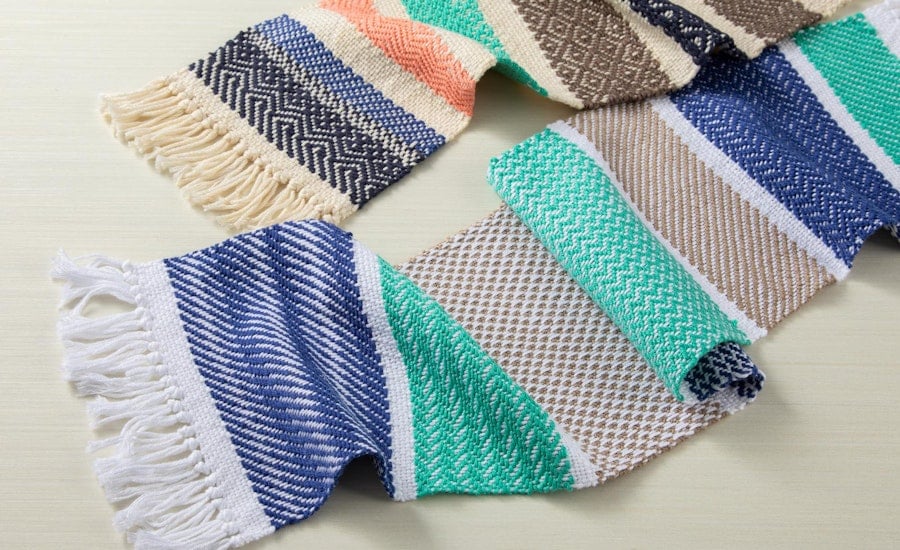
Learn why weavers love twill—and what makes it a great weave for the rigid-heddle loom.

We're looking for striped projects of all kinds for our Fall 2027 issue—and that includes plaids and checks, too!
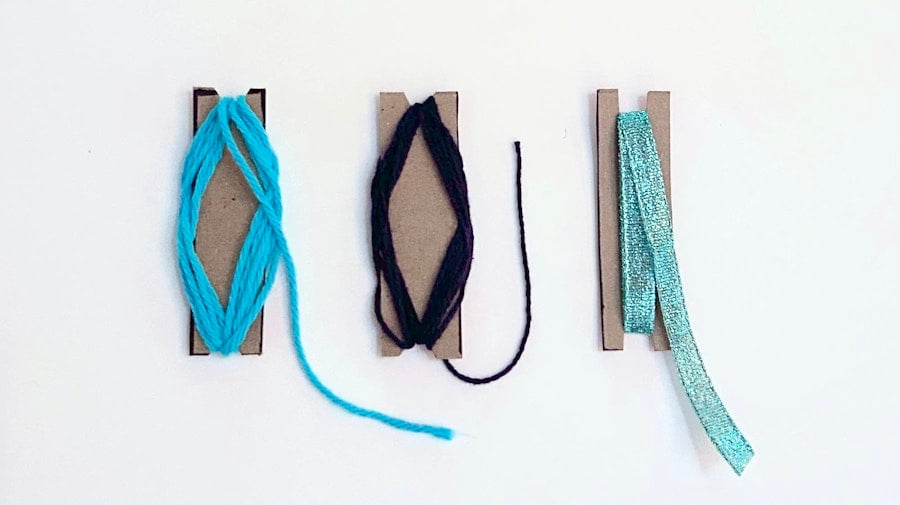
Butterflies are beautiful, but they’re not always the best choice when you’re weaving. Try winding small bits of weft on these simple, DIY cardboard shuttles instead!